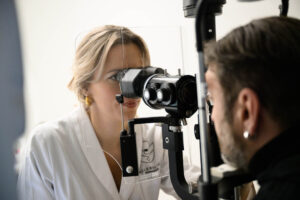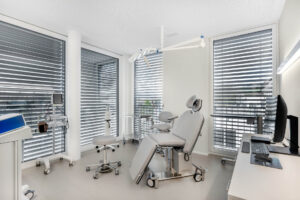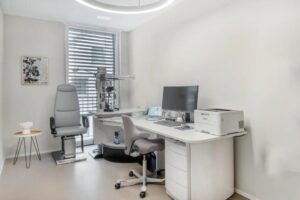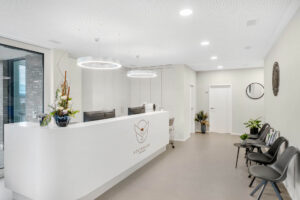

Early detection of glaucoma is crucial to avoid damage to the optic nerve and vision loss. Our practice offers you comprehensive diagnostics with state-of-the-art technology and individual consultation.
In our practice, we offer you state-of-the-art diagnostics for glaucoma early detection. The central components include:
If glaucoma is diagnosed, various therapeutic approaches are available to lower intraocular pressure and prevent the progression of the disease:
The choice of therapy is made individually and in close coordination with you. Our goal is to protect your vision and maintain a high quality of life.
Why is glaucoma so dangerous?
Glaucoma often goes unnoticed for a long time and can lead to irreversible damage to the optic nerve. Regular examinations prevent serious consequences.
At what age should I get tested for glaucoma?
We recommend glaucoma screening starting at age 40, especially with a family history or other risk factors.
How long does a glaucoma examination take?
The examination is straightforward and usually takes 30–45 minutes, depending on the extent of the tests.
Is glaucoma curable?
No, glaucoma cannot be cured, but with timely diagnosis and treatment, the progression of the disease can be effectively controlled.
Dear patients,
our practice will be closed from 28.07.2025 to and including 03.08.2025 closed.
From 04.08.2025 we will be back to assist you as usual.
In urgent emergencies, please contact the medical emergency service at the phone number:
0800 33 66 55
You can schedule appointments online or through our website at any time.
We thank you for your understanding!
Your practice team